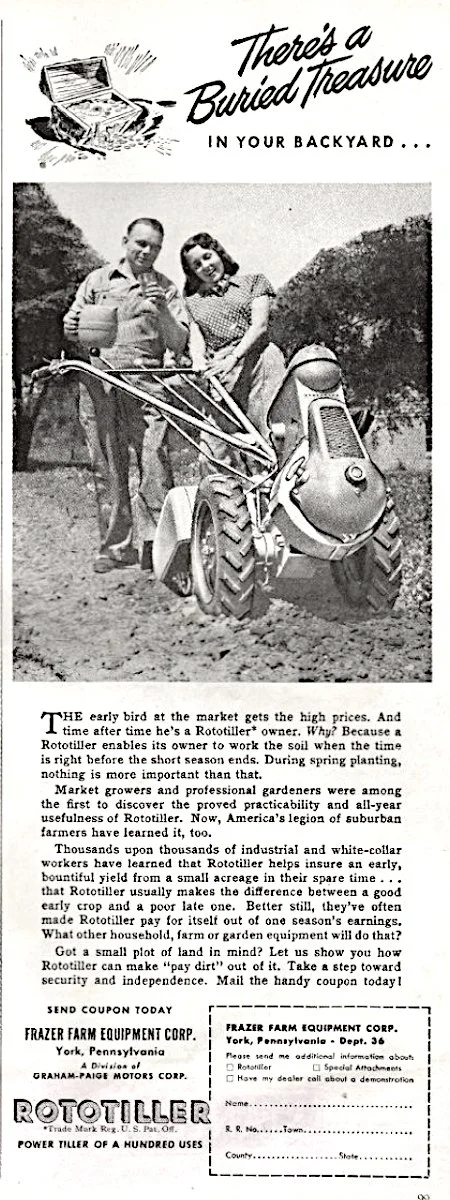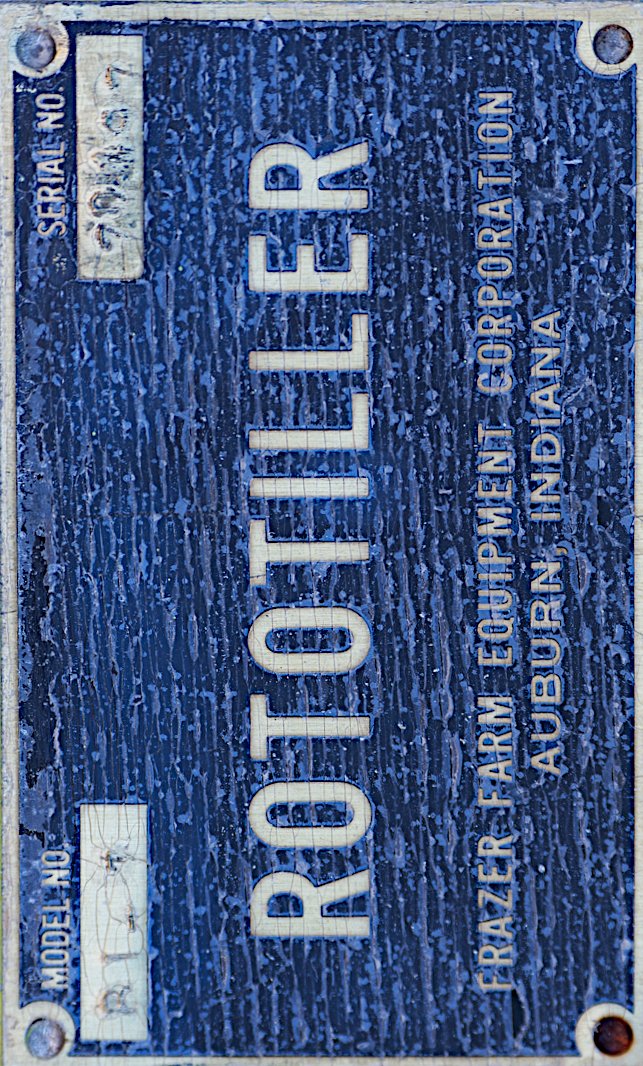
Fraser Rototillers
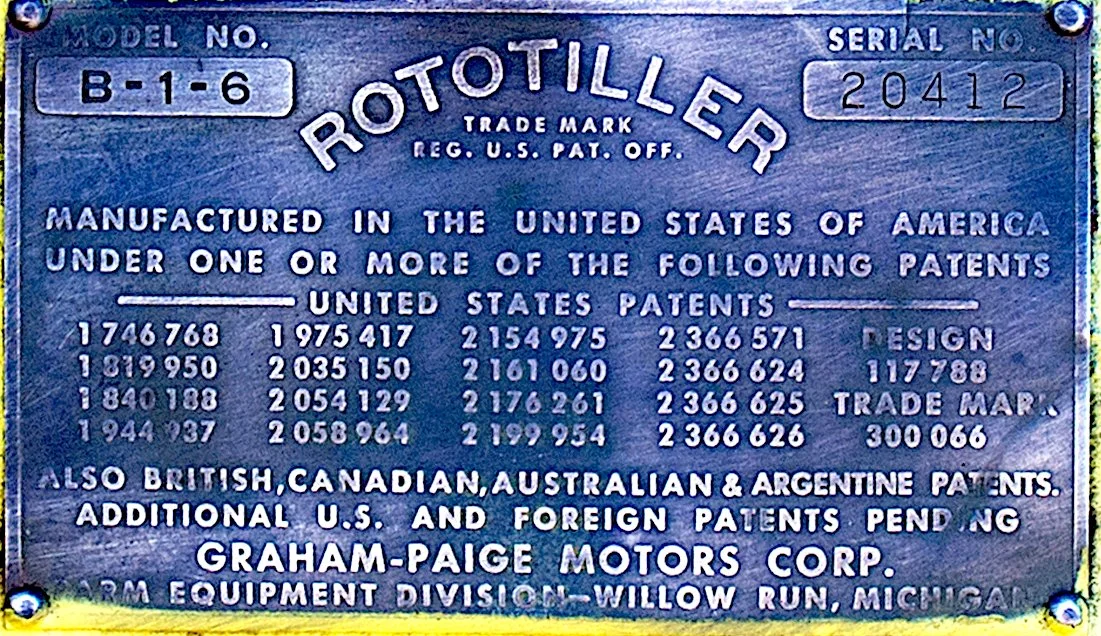
Model B-1-6 (1946)
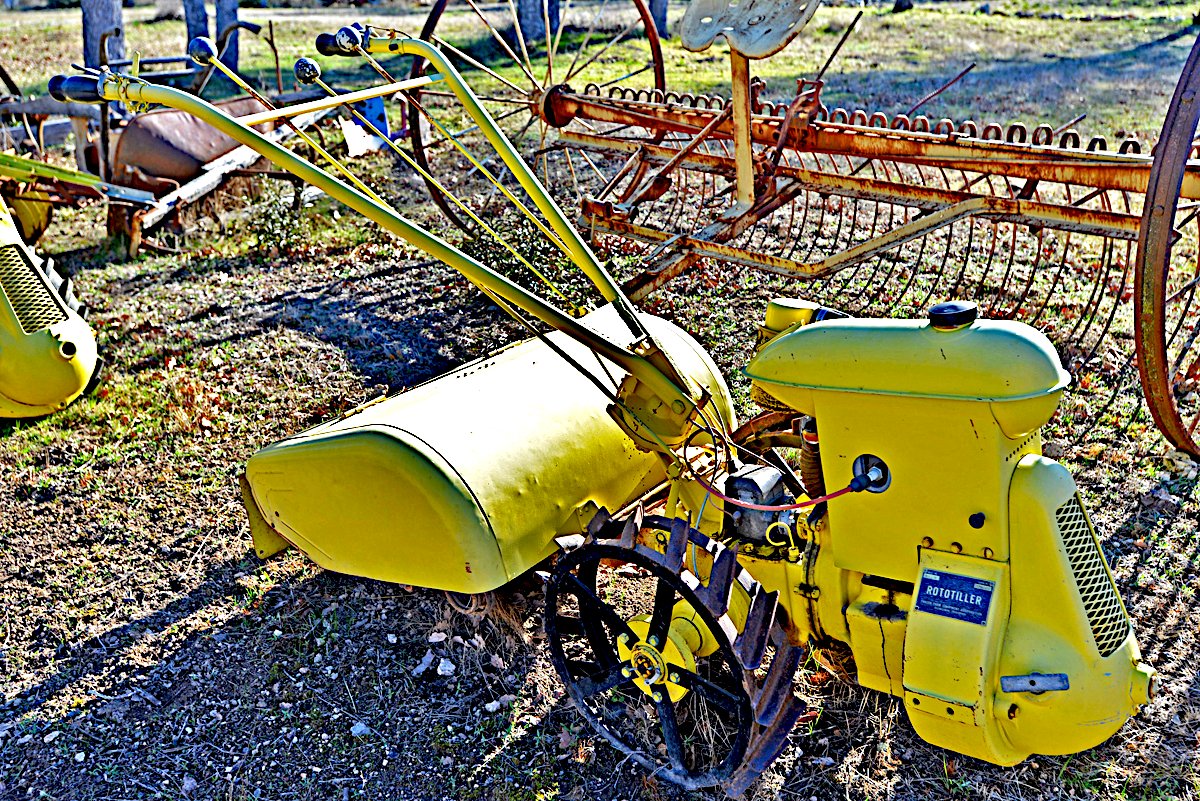
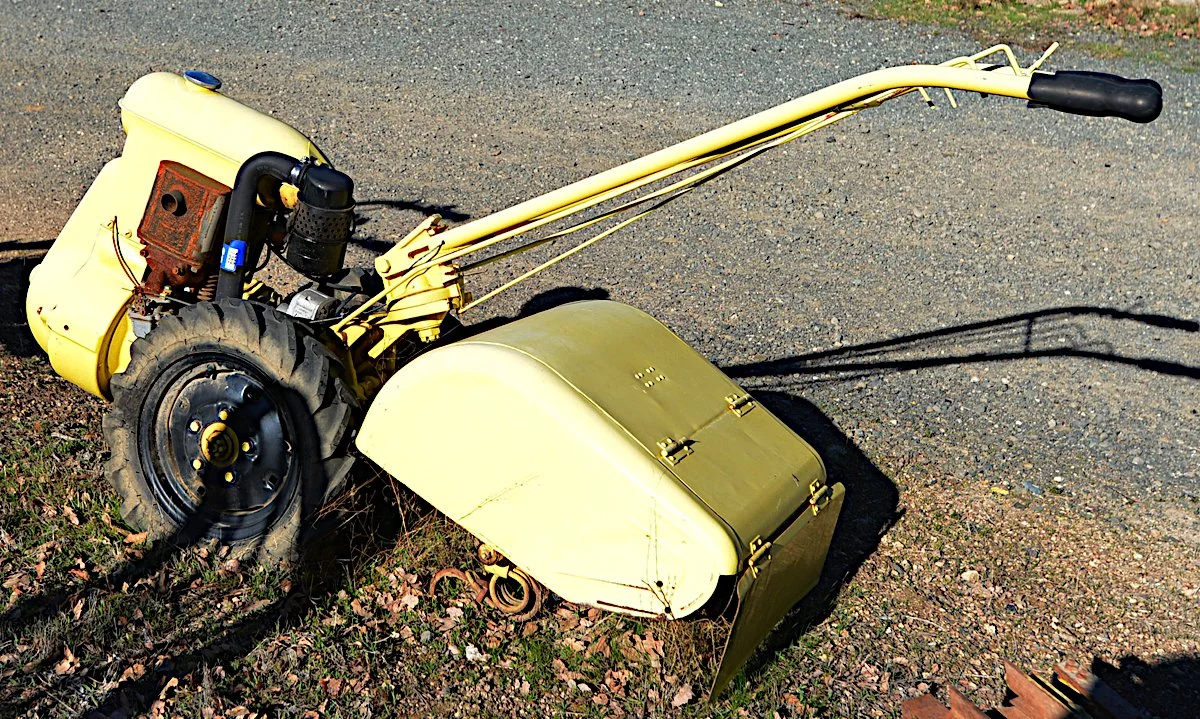
Our B-1-6 Tillers
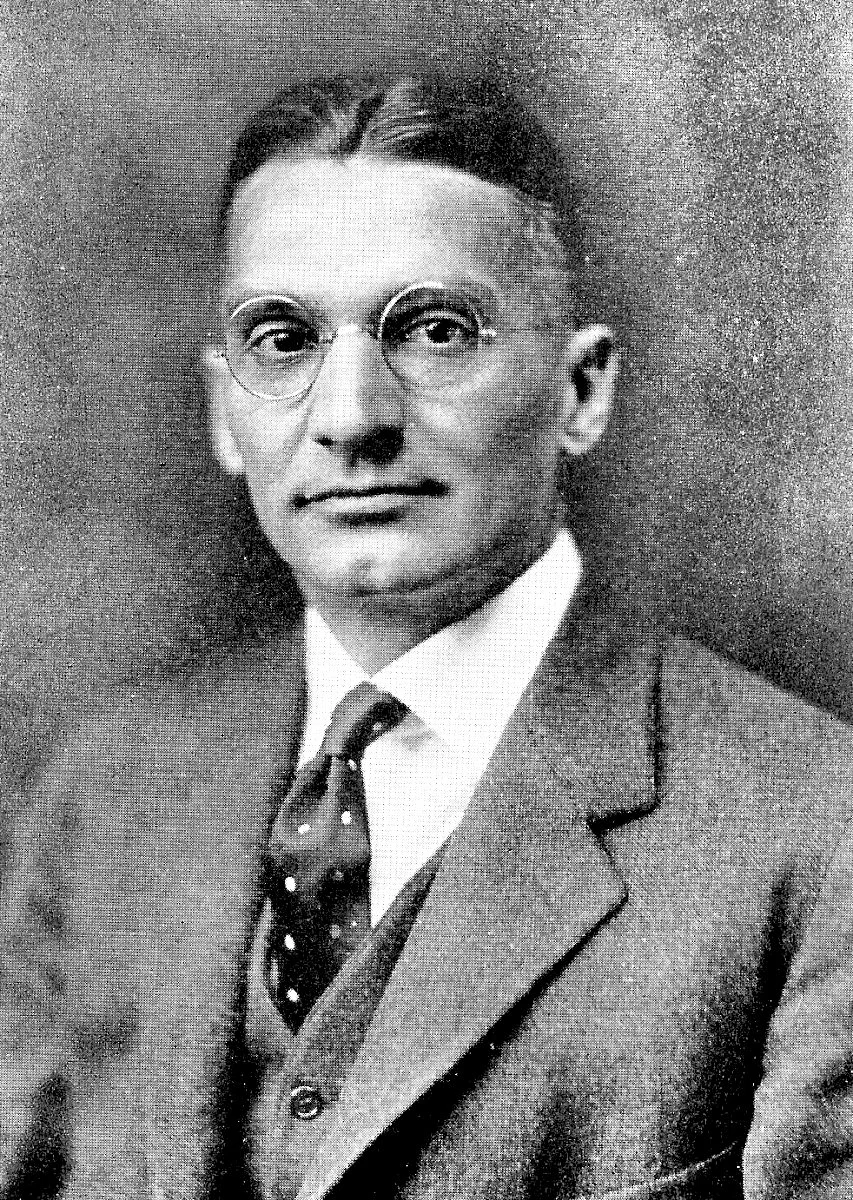
Cadwallader “Carl” Kelsey
Auto Pioneer
In 1897, Cadwallader Washburn "Carl" Kelsey, at the age of 17, built his first car. It was a small four-wheel car.
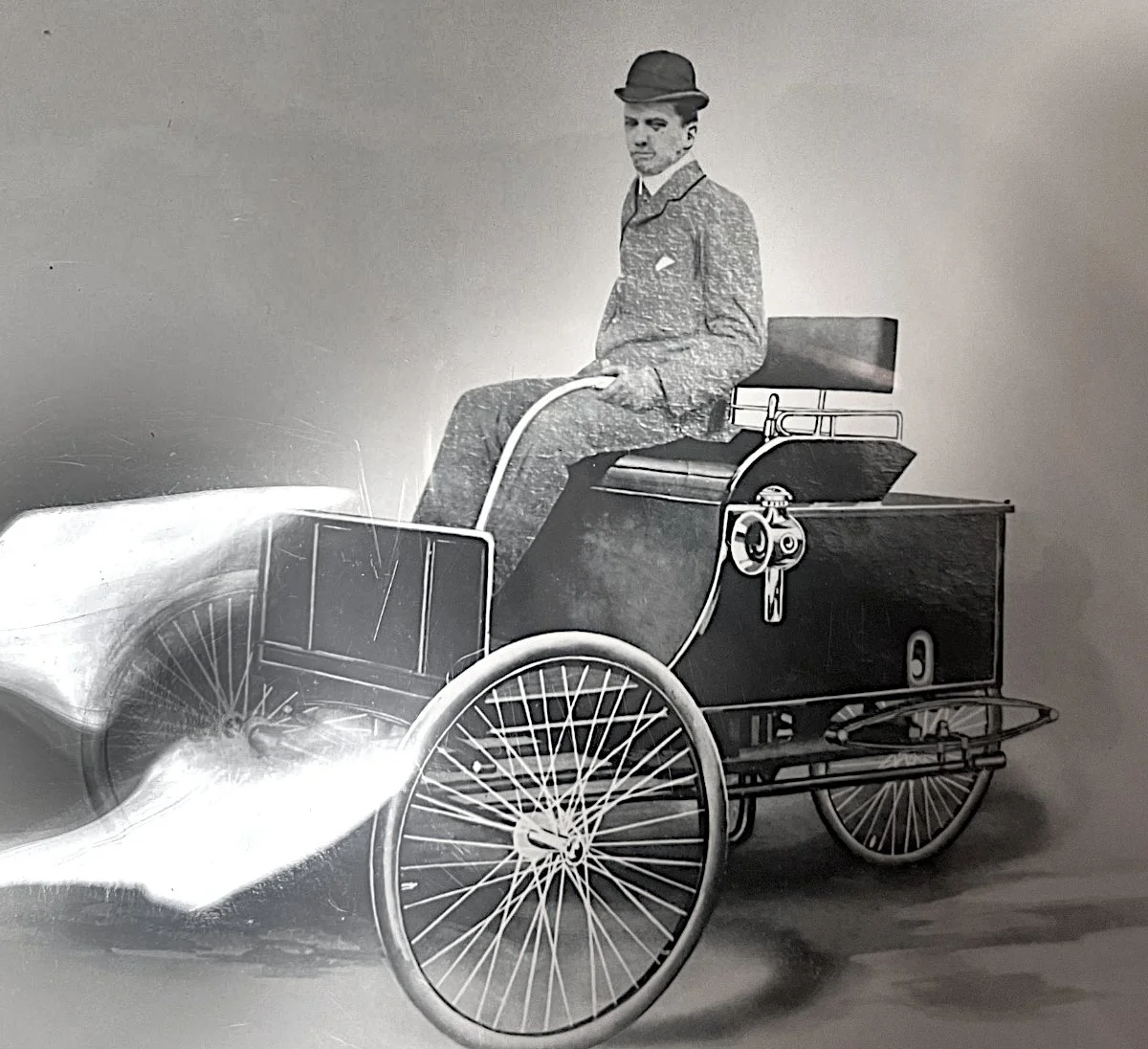
In 1899, while at Haverford College, he built his second car with a friend named Sheldon Tilney. It had a 5-hp single-cylinder Buffalo Gasolene Motor Co. engine and only three wheels. They called it an Auto-Tri.
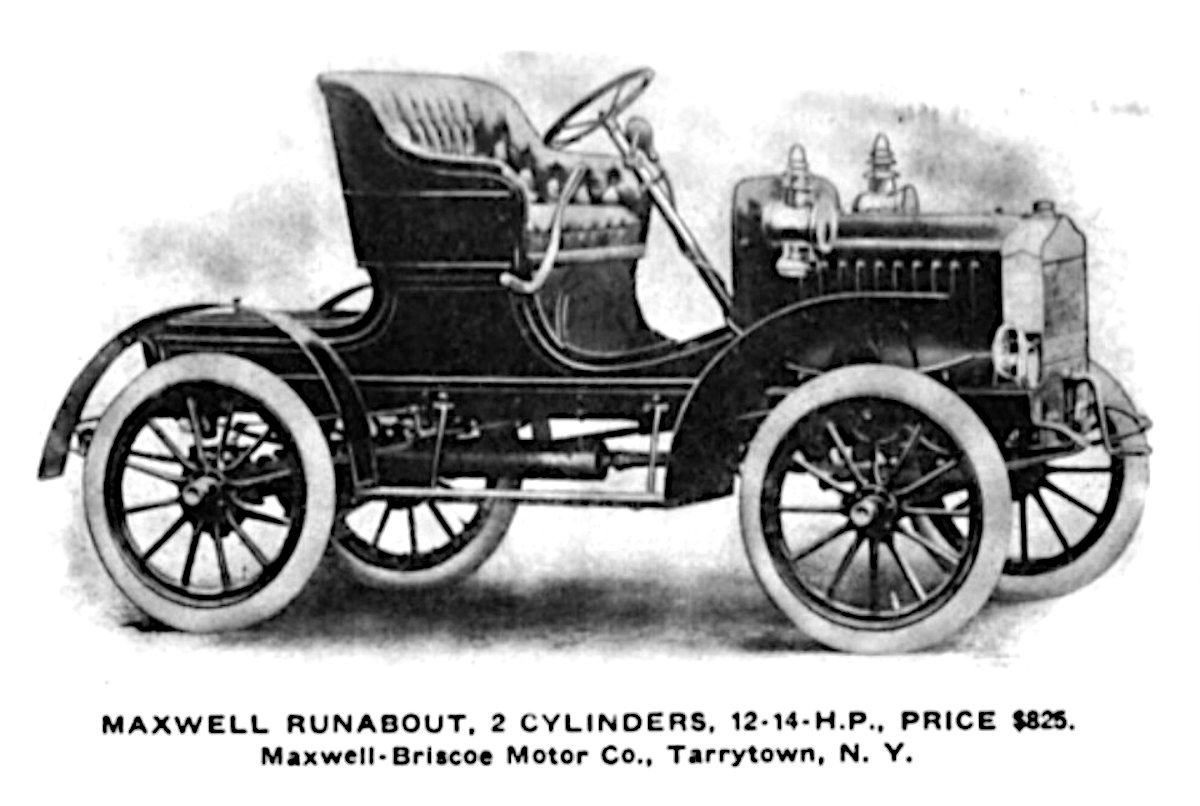
Kelsey bought the Philadelphia dealership for the Maxwell, and after record sales he was hired in 1905 as Sales Manager for Maxwell-Briscoe. During his time as Sales Manager, Maxwell became the third largest manufacturer of automobiles. He left in 1909 to develop his own version of a low price car.
Carl Kelsey designed an automobile that would be less expensive than the Model T. Introduced in September 1910, the three-wheel vehicle was the Motorette, built in Hartford, Connecticut.
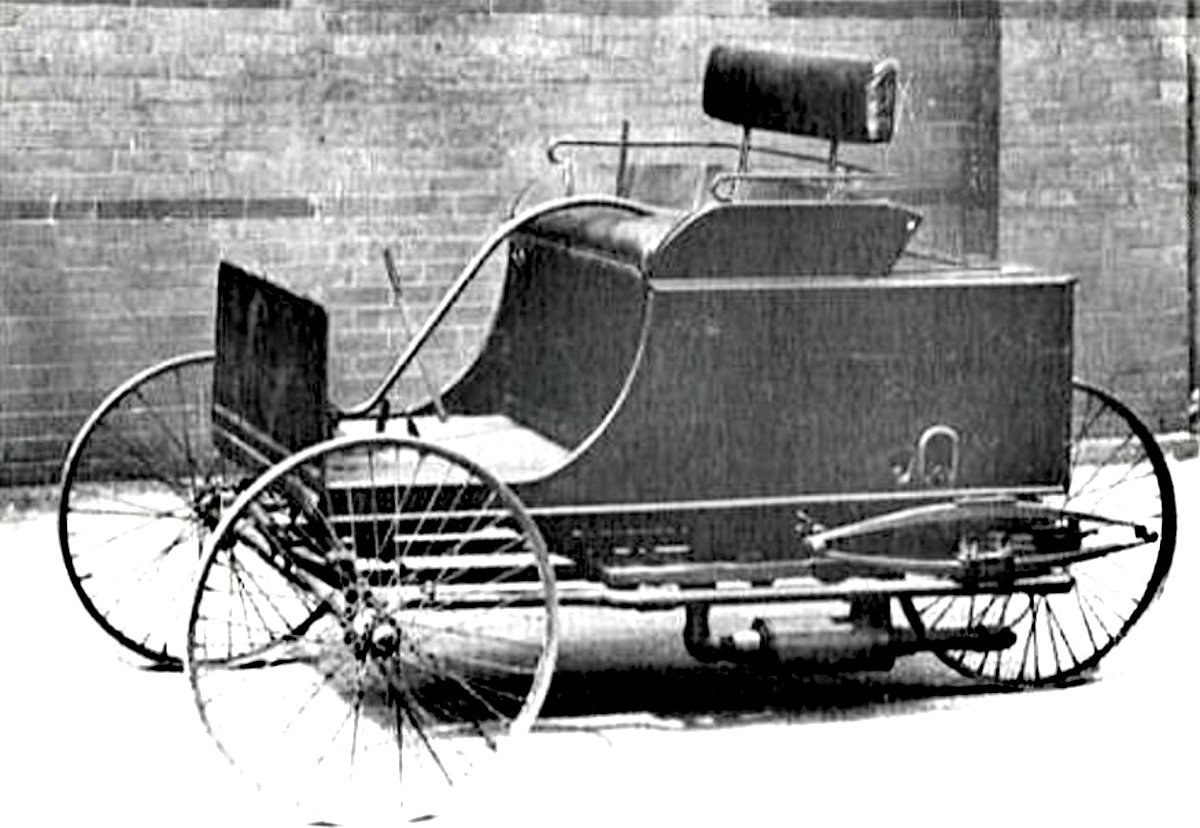
Carl’s 1899 Auto-Tri
Carl’s 7 years running a Maxwel Dealership
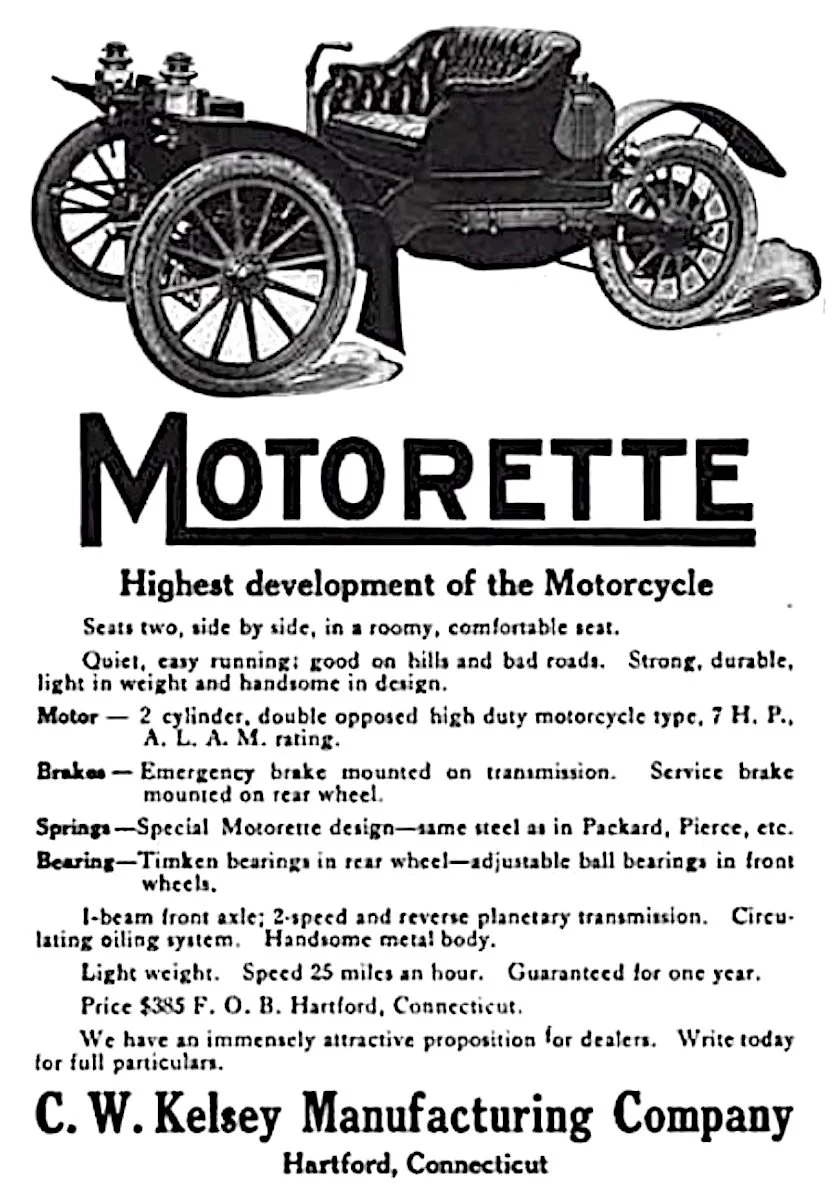
Carl’s Kelsey Manufacturing Company and the Motorette
Rototiller Company
After spending three decades in the automobile industry. Cadwallader “Carl” Kelsey started the Rototiller Company in 1930
In 1930 Siemens (a German tiller company) mounted a major effort to introduce their tillers to America and offered Carl a distributorship. Kelsey was up to the challenge, despite The Great Depression and rented office space on Broadway in New York City and formed the Rototiller Company.
The Siemens tiller was designed for the well cultivated grounds of Europe and did not do well with some of the hard, rocky American soils. Carl made some suggestions for improvements and they were incorporated into future machines. In 1932 he added a line of tillers made by the SIMAR Company of Switzerland.
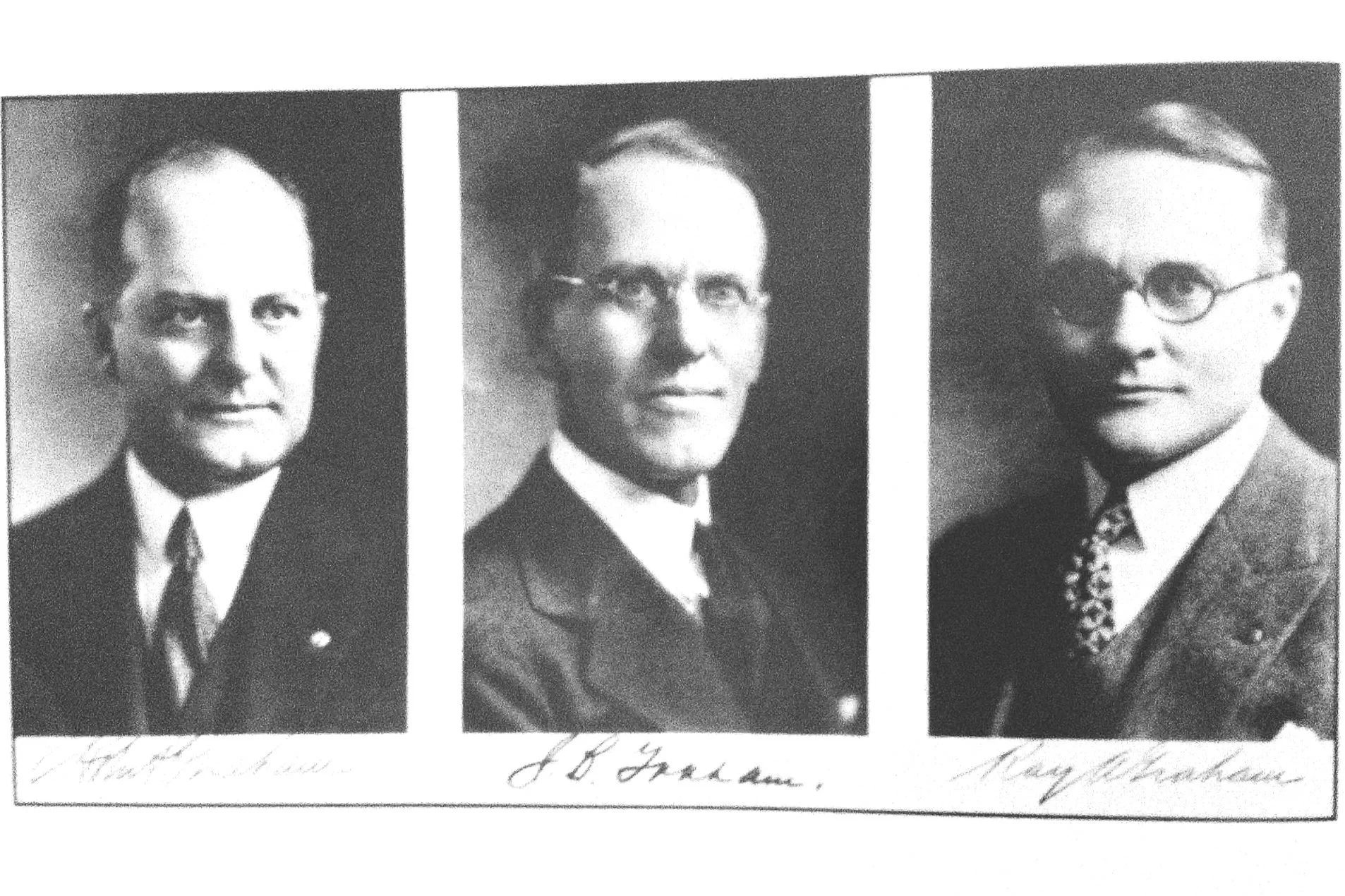
Graham Brothers
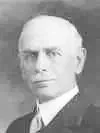
Frederick Paige
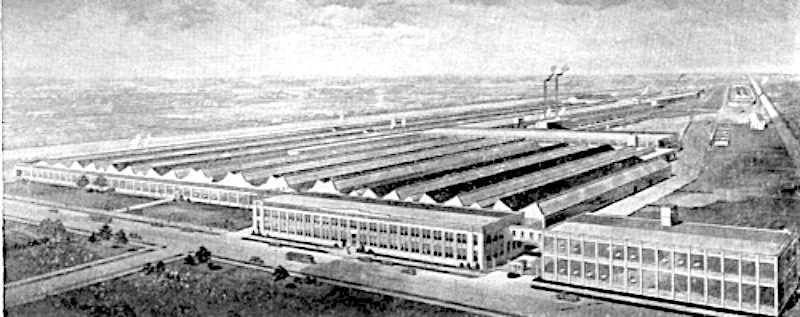
Graham-Paige Factory
Graham-Paige Motor Co. Signs Agreement with Carl Kelsey and Rototiller
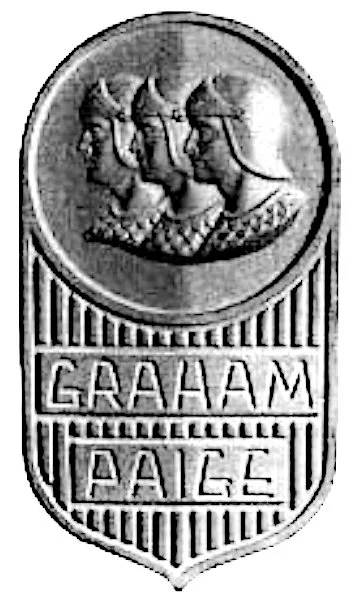
In 1926 the Paige-Detroit Motor Car Co. and Graham Brothers’ truck-building firm merged to form the Graham-Paige Motor Car Corporation. Graham-Paige built automobiles until the war started. During World War II, the company built torpedoes, engines for PT boats and airplanes, and the amphibious landing tractors the Marines called “alligators.”
World War II was coming to a close and many manufacturing companies were trying to decide what they were going to make after the war. Graham-Paige leadership decided they were not re-entering the car manufacturing business as they did so poorly financially before the war.
in 1944, Graham-Paige and Carl Kelsey sign an agreement. That same month, Graham-Paige offers Joe Fraser the opportunity to buy into the company. Fraser becomes chairman and president of G-P in September the same year. As Chairman, Joe Frazer followed through on the ROTOTILLER acquisition, which gave the rights to build the medium- and large-sized Rototillers, as well as exclusive use of the Rototiller name.
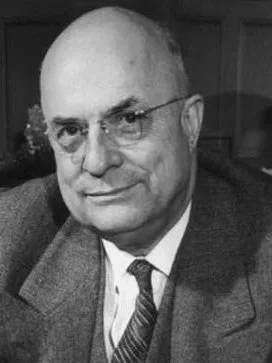
Henry Kaiser
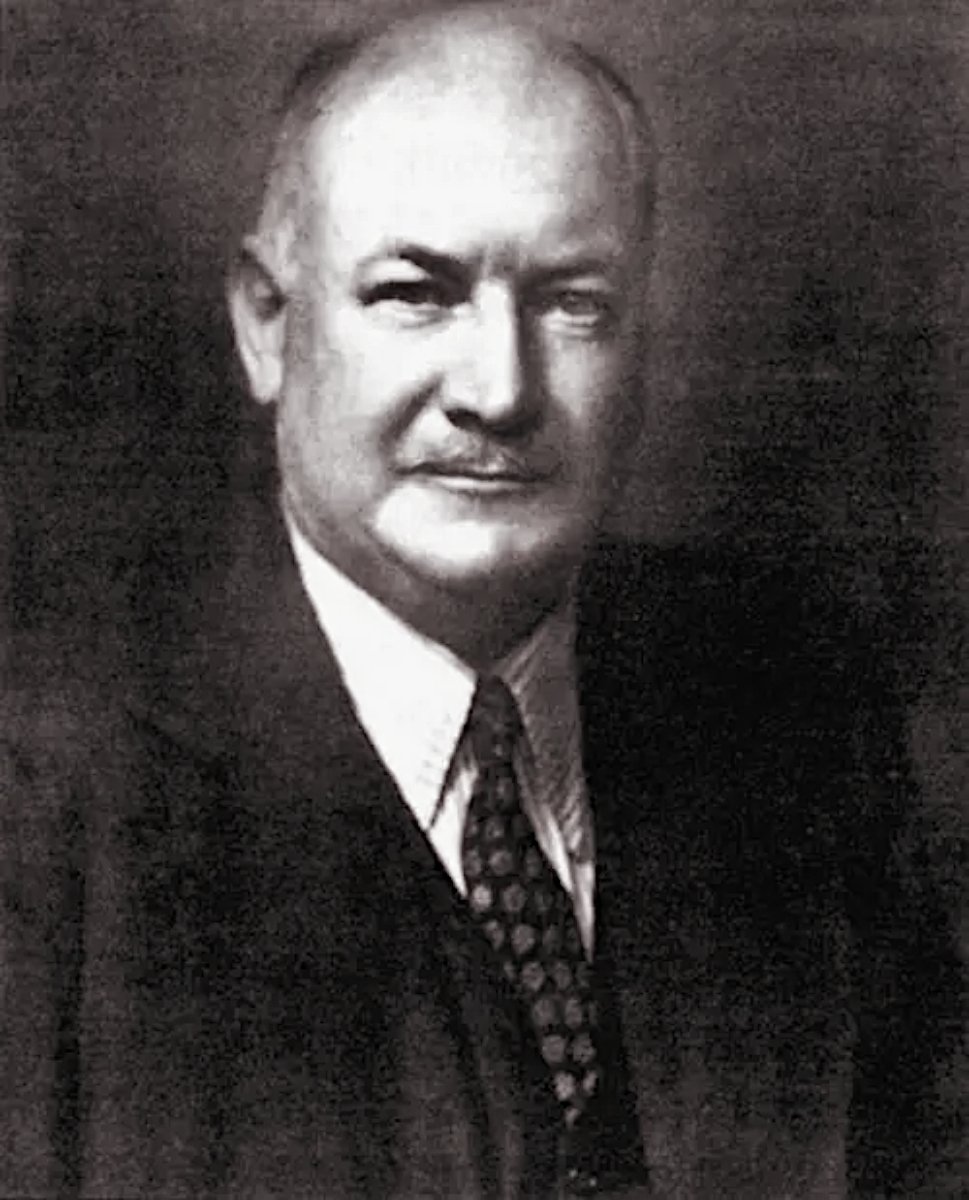
Joseph Fraser
Kaiser-Fraser Company makes Rototiller
Joe Frazer needed to find finances to support this venture and he was directed to Henry J Kaiser. As a result the Kaiser-Frazer Company was formed. Joe Frazer would operate under the Graham-Paige name selling his cars under the name of Frazer and the Rototiller being made under the Farm Equipment Division, while Henry Kaiser would make cars under the name of Kaiser. They would share space in the former Willow Run Bomber Plant, Willow Run, Michigan.
In April 1946, the first shipment of B1-6 tillers was made from Willow Run, MI.
At first these tillers were sold through the same dealerships that sold Kaiser-Frazer cars.
On February 5, 1947, Graham-Paige's auto assets were sold to Kaiser-Frazer, but Joe Frazer kept the farm equipment business. This business became Frazer Farm Equipment Division, Graham-Paige's only subsidiary and would have to leave Willow Run.
In early 1949 the York plant was shut down with a large inventory of unsold tillers. They even tried a direct from the factory campaign and reduced the price of them to $469.50. Finally in August of 1949 half of the farm division was sold to Mast-Foos Manufacturing Co. who produced power lawn mowers. The following year the remainder of the farm division of G-P was sold to Mast-Foos.
G-P was not paying the required royalties to Rototiller and Kelsey and there was talk about taking action against them. There was a lot of back and forth between G-P and Rototiller over this and the agreement was finally dissolved February 5, 1951. This was after Frazer Farm Equipment had been sold to Mast-Foos. G-P paid Rototiller $11,500 for the termination and now the Troy, NY, tiller manufacturer could use the Rototiller name once again and produced tillers under that name until 1961, When Rototiller decided to re-finance by offering stock and Porter-Cable purchased controlling interest.
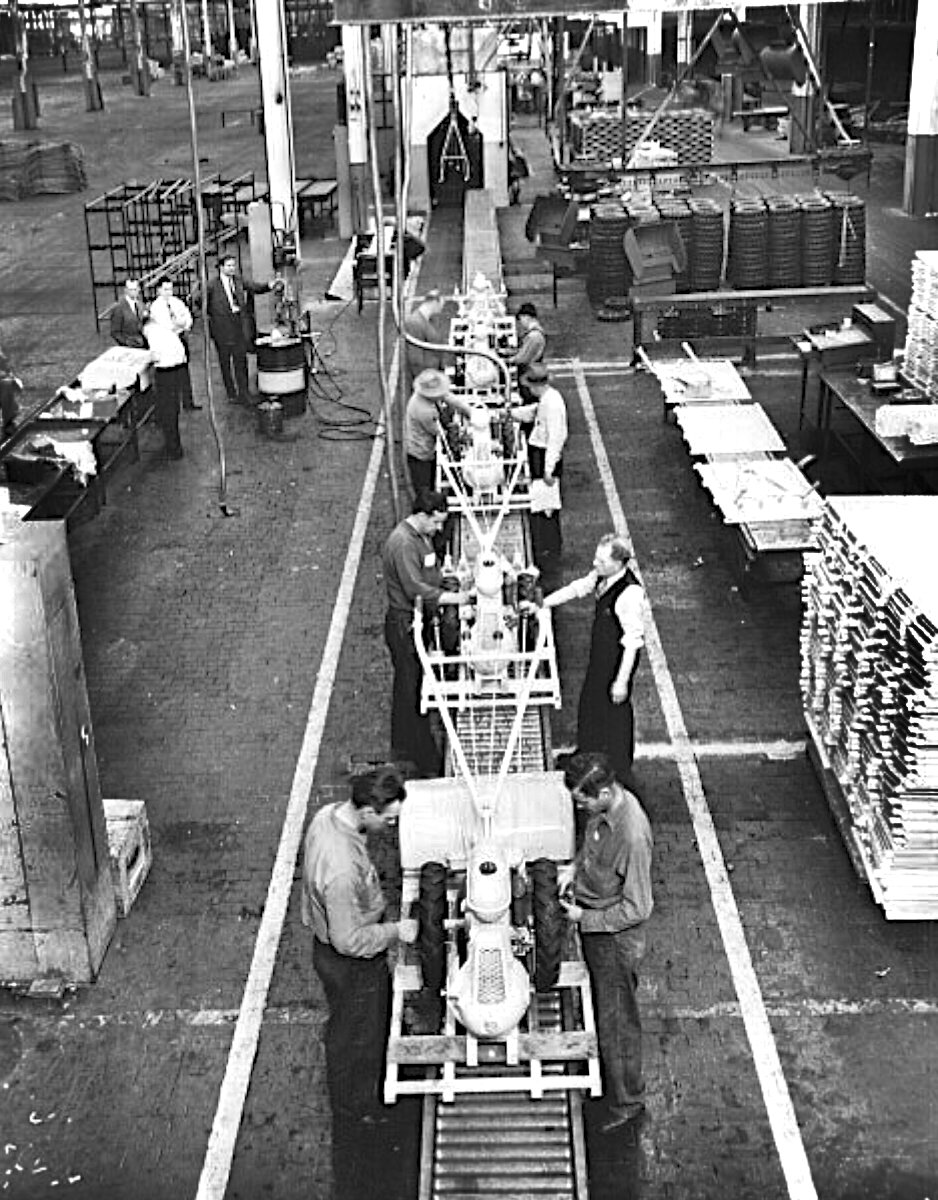
Rototiller assembly line